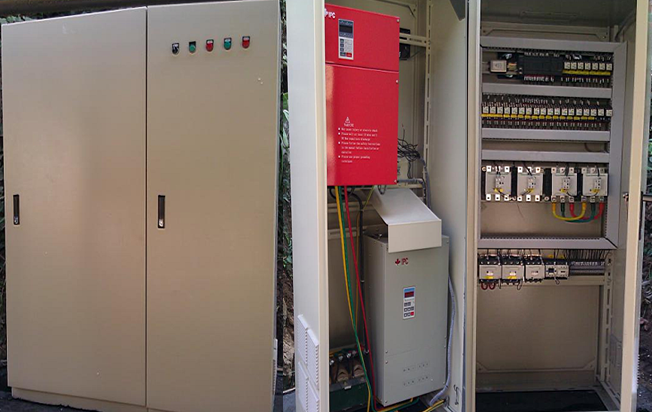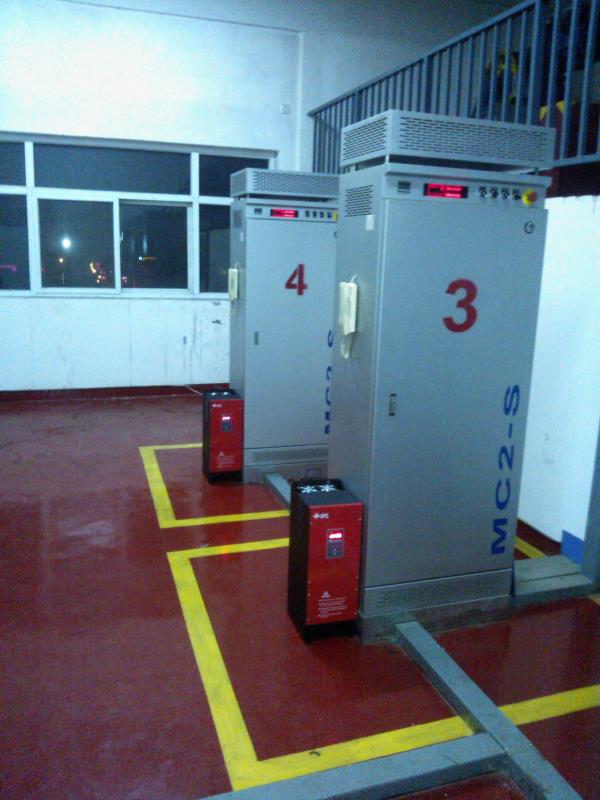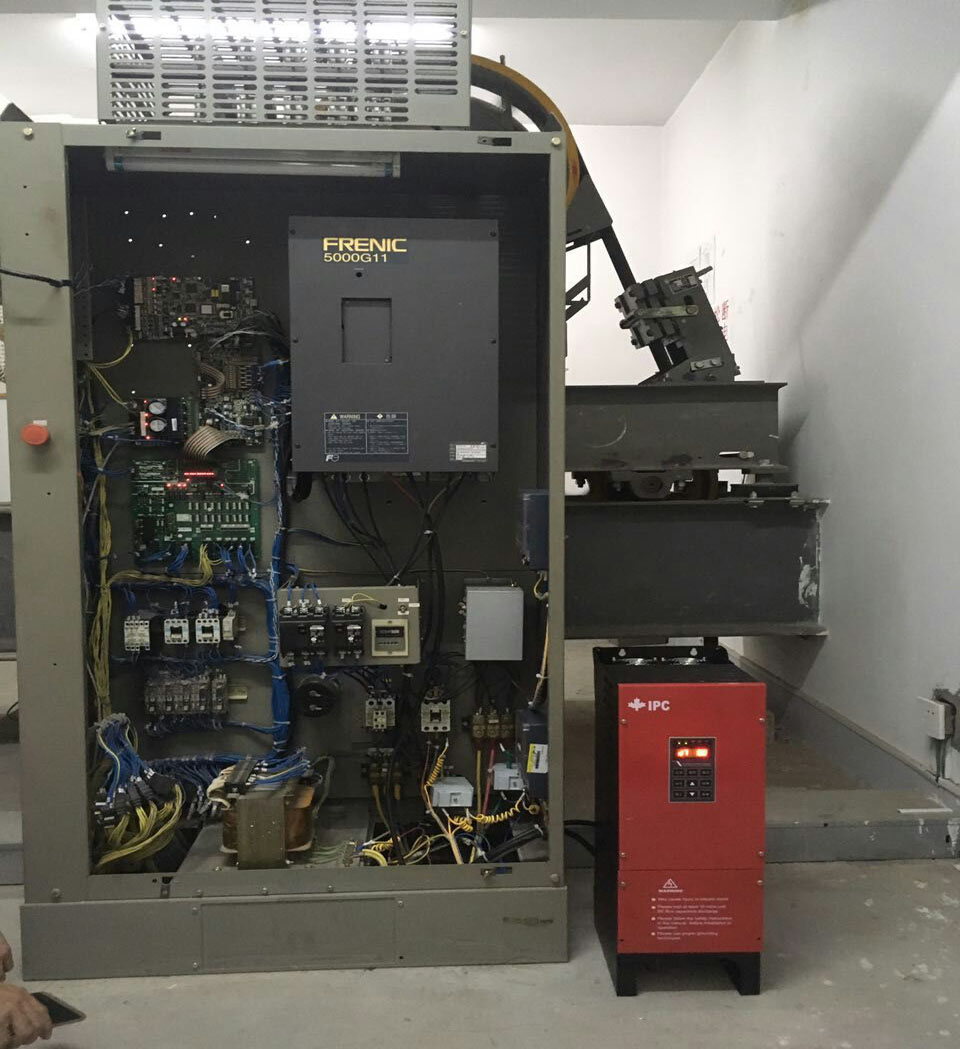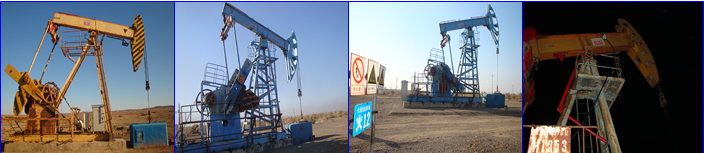
Application of IPC-PUS Intelligent Pumping Unit Control Cabinet in Huoshaoshan Oilfield, Xinjiang
I. Project Background
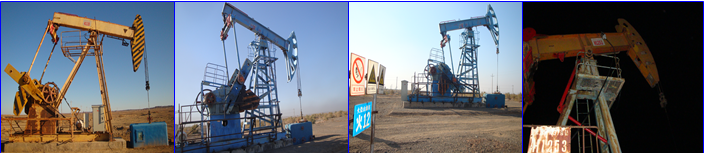
The Huoshaoshan Oilfield in Xinjiang is characterized by complex geological conditions, including low permeability and high paraffin content. Traditional pumping unit control methods struggled with inefficient power consumption, high mechanical wear, and difficulty in maintaining optimal production levels. To address these issues, the IPC-PUS Intelligent Control System was implemented to achieve digitalization and energy-saving automation.
II. Technical Solution & Core Features
The IPC-PUS system integrates advanced variable frequency drive (VFD) technology with intelligent edge computing to optimize the stroke of the sucker rod pump in real-time.
Dynamic Stroke Optimization: Automatically adjusts the pumping speed based on the fluid level in the wellbore (Dynamic Level).
Energy Regeneration: Utilizes regenerative braking technology to capture and reuse energy during the downstroke, significantly reducing electricity costs.
Remote Monitoring & Diagnosis: Real-time data transmission of indicator diagrams (Dynagraphs), motor temperature, and power parameters to the central control room.
Fault Protection: Features automatic alarms and shutdowns for conditions such as belt slippage, rod breakage, and over-voltage.
III. Key Performance Specifications & Comparison
Parameter | Traditional Control Method | IPC-PUS Intelligent System |
Energy Efficiency | High consumption; no power feedback | 15% - 30% Energy Saving |
System Adjustment | Manual intervention required | Fully Automated AI Optimization |
Pump Fill Rate | Fluctuating; low efficiency | Maintained at Optimal Range (>80%) |
Equipment Lifespan | High mechanical stress & wear | Soft-start & Soft-stop (Low Wear) |
Remote Capability | Local operation only | IoT-enabled; Real-time Monitoring |
Startup Success Rate | Low (especially in cold weather) | High Torque Constant Startup |
IV. Results & Benefits at Huoshaoshan Oilfield
Significant Power Savings: After implementation, the average power consumption per ton of oil decreased by approximately 22%.
Increased Production Efficiency: By maintaining the optimal dynamic fluid level, the oil production of individual wells increased by 5-8%.
Reduced Maintenance Costs: The intelligent soft-start and anti-vibration features reduced rod breakage incidents by 40%, extending the overhaul period of the pumping units.
Digital Management: Realized "unmanned" inspection for well clusters, allowing engineers to manage hundreds of wells via a single dashboard.
5. V. Summary
6. The deployment of the IPC-PUS Intelligent Control Cabinet in the Xinjiang Huoshaoshan Oilfield proves that AI-driven automation is the key to cost reduction and efficiency in mature oilfield operations. It provides a robust, energy-saving, and stable solution for the digital transformation of the petroleum industry.
Proven Performance: Maximize Efficiency and Slash Costs with IPC-PUS
Our IPC-PUS Intelligent Control Cabinet does more than just lower power consumption—it redefines pumping system efficiency. In real-world field tests, the system achieved a remarkable active power-saving rate of 32.7% and a significant boost in power factor performance.
Across multiple well deployments, the results remain consistent and satisfying:
Average Energy Savings: 27.3% to 37.3% (Active Power).
Efficiency Boost: System efficiency increased by an average of 8%.
Designed for ease of use and extreme durability, the PUS Intelligent Control Cabinet has maintained a perfect zero-failure record since its deployment. It is the ultimate solution for optimizing oil recovery processes while aggressively cutting operational expenses.